

When artist and WOW designer Grace DuVal set out to create her 2025 entry, she knew two things for certain: the piece had to be 3D printed, and it had to honour her father.
Those two commitments became the anchor for everything that followed - every experiment, failure, breakthrough, and long night in the studio.
3D-Printing Learnings
After receiving WOW’s Designer Development Award in 2023, Grace spent time at MIT learning 3D-printing fundamentals. She wanted to put these new skills to practice in her next WOW entry.
Honouring Her Dad
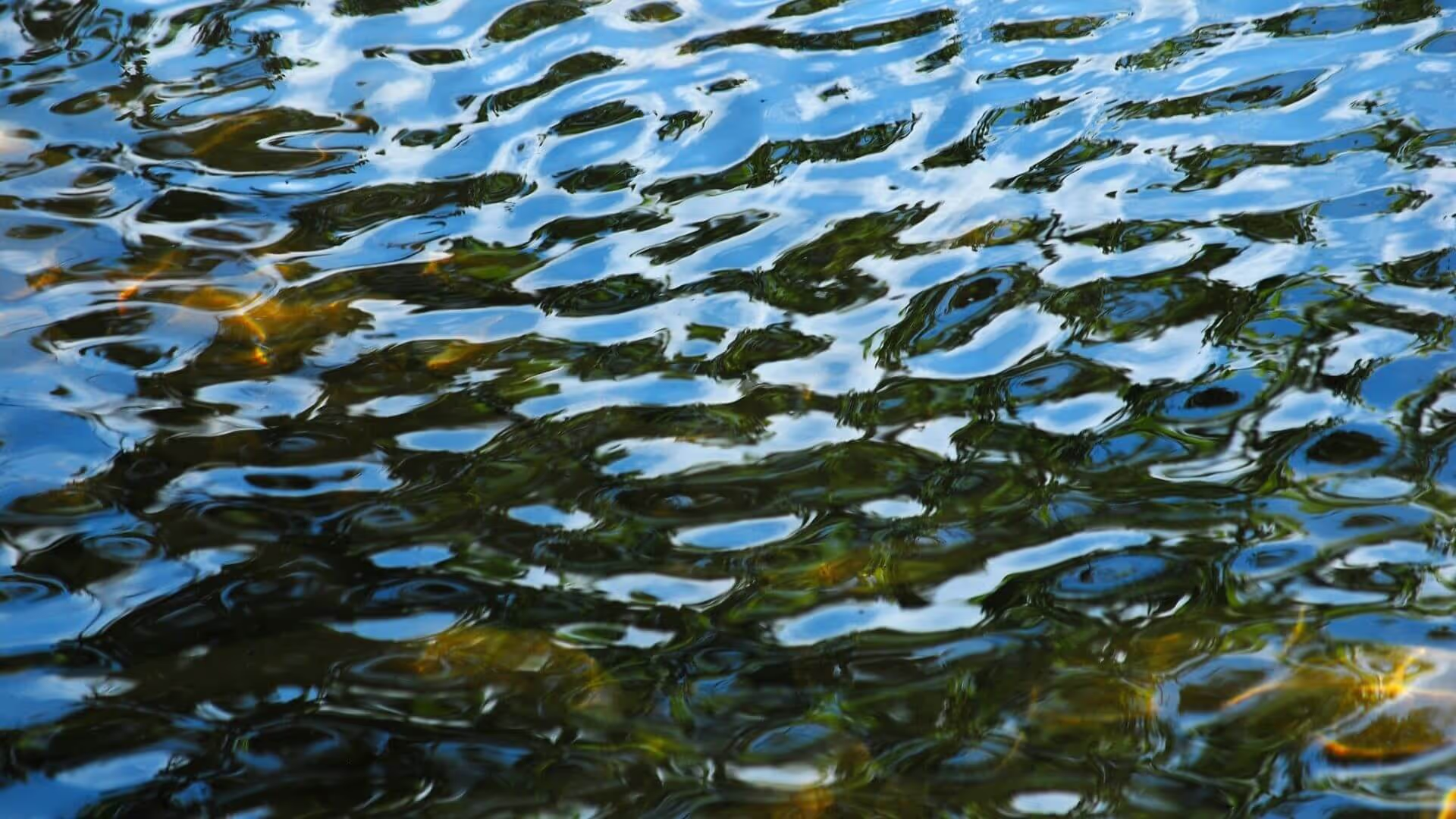
Grace’s father, Monty Johnston, was a photographer who had captured the same image hundreds of times throughout his life - the Virginia river near their home. He was fascinated by the way the ripples, reflections and small distortions caught the light. After he passed away, she knew her next wearable art piece needed to carry his work onto the stage.
This created a challenge: how do you turn a photograph into a wearable, sculptural, 3D-printed textile?
Searching for the Right Process
Grace tried several different methods which didn’t work:
- Tile-like rigid panels looked too stiff
- Colour-by-numbers filament printing couldn’t handle photographic detail
- She printed initial samples that would be too heavy and cumbersome when expanded to human scale
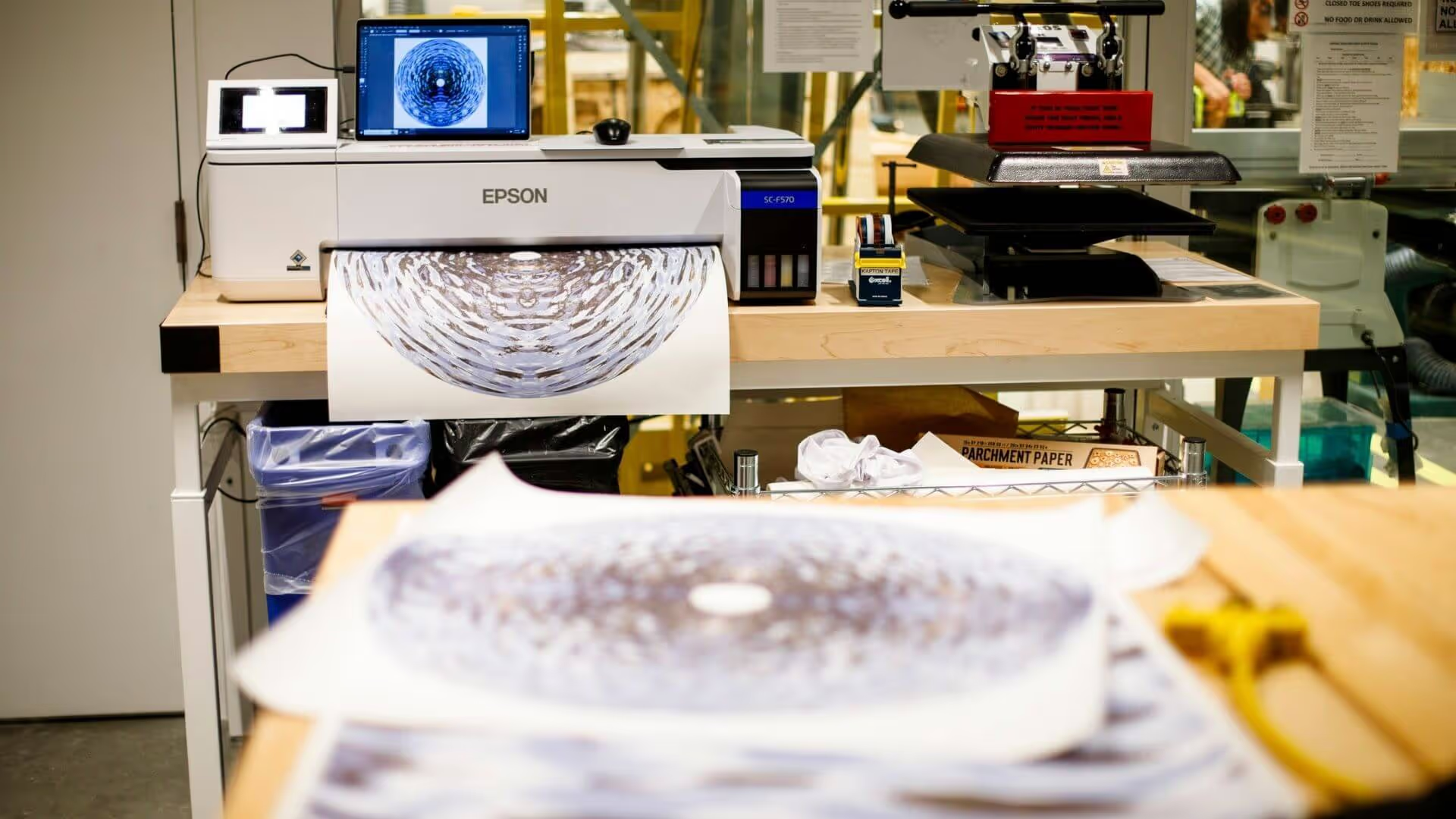
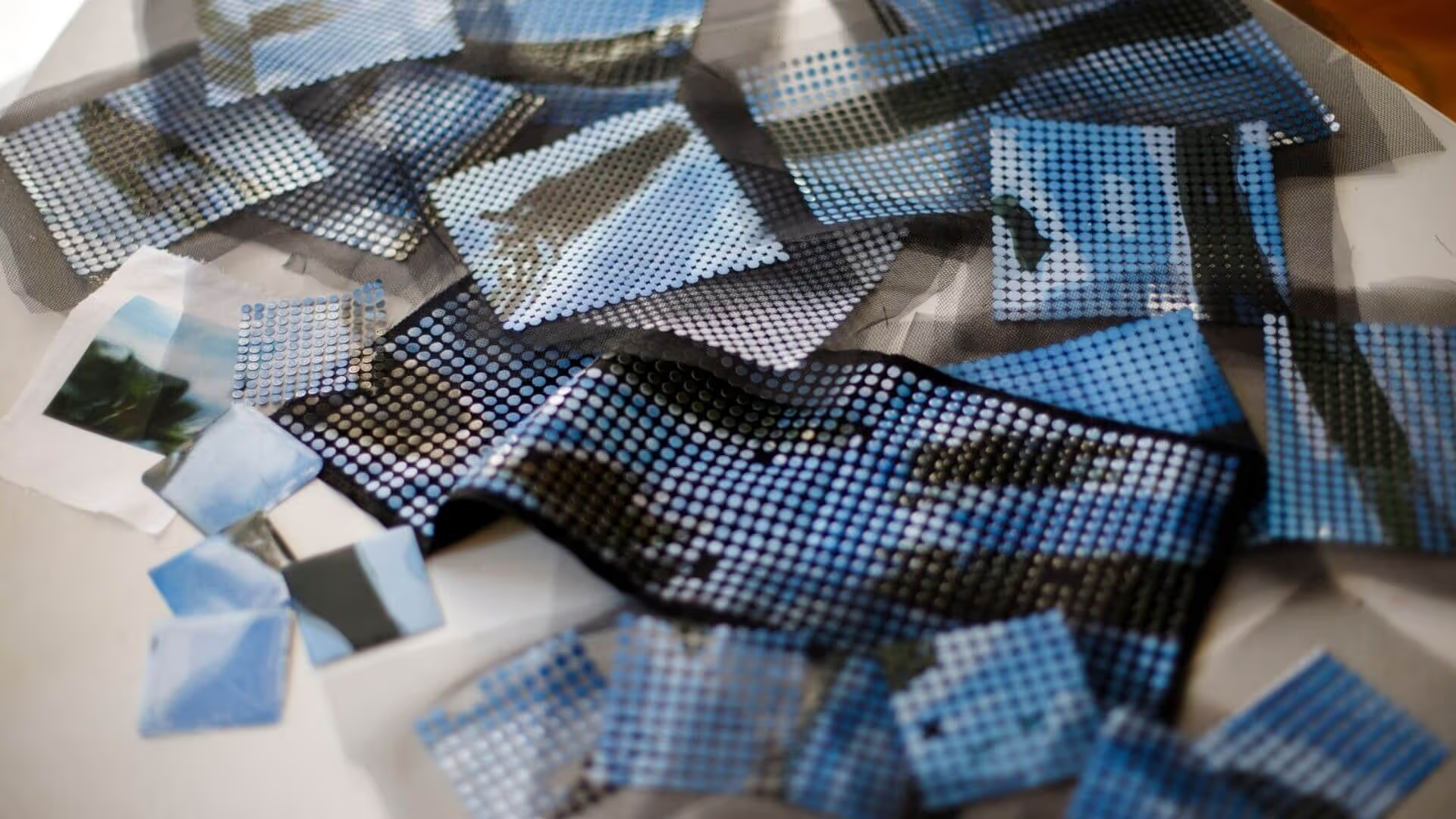
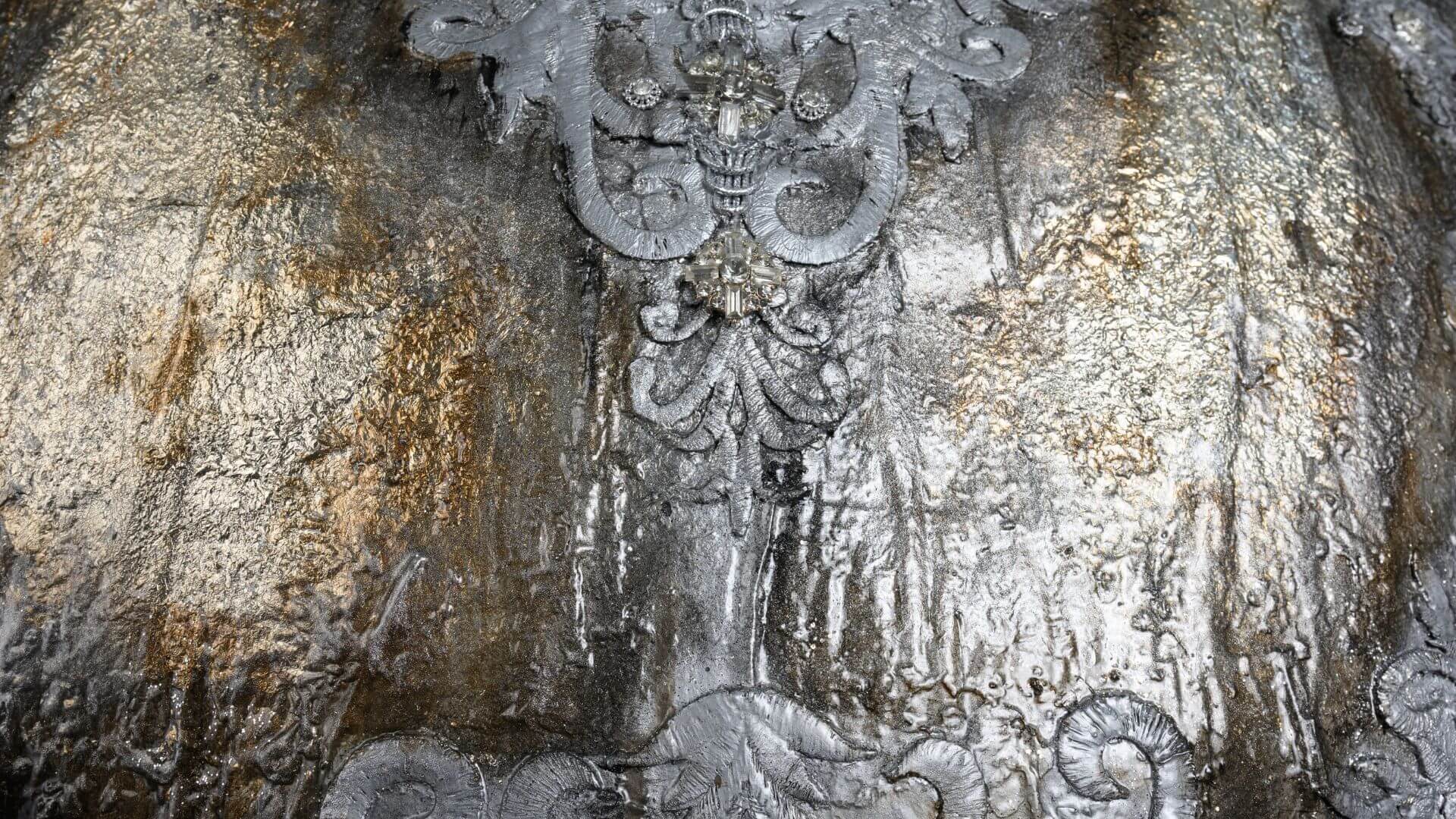
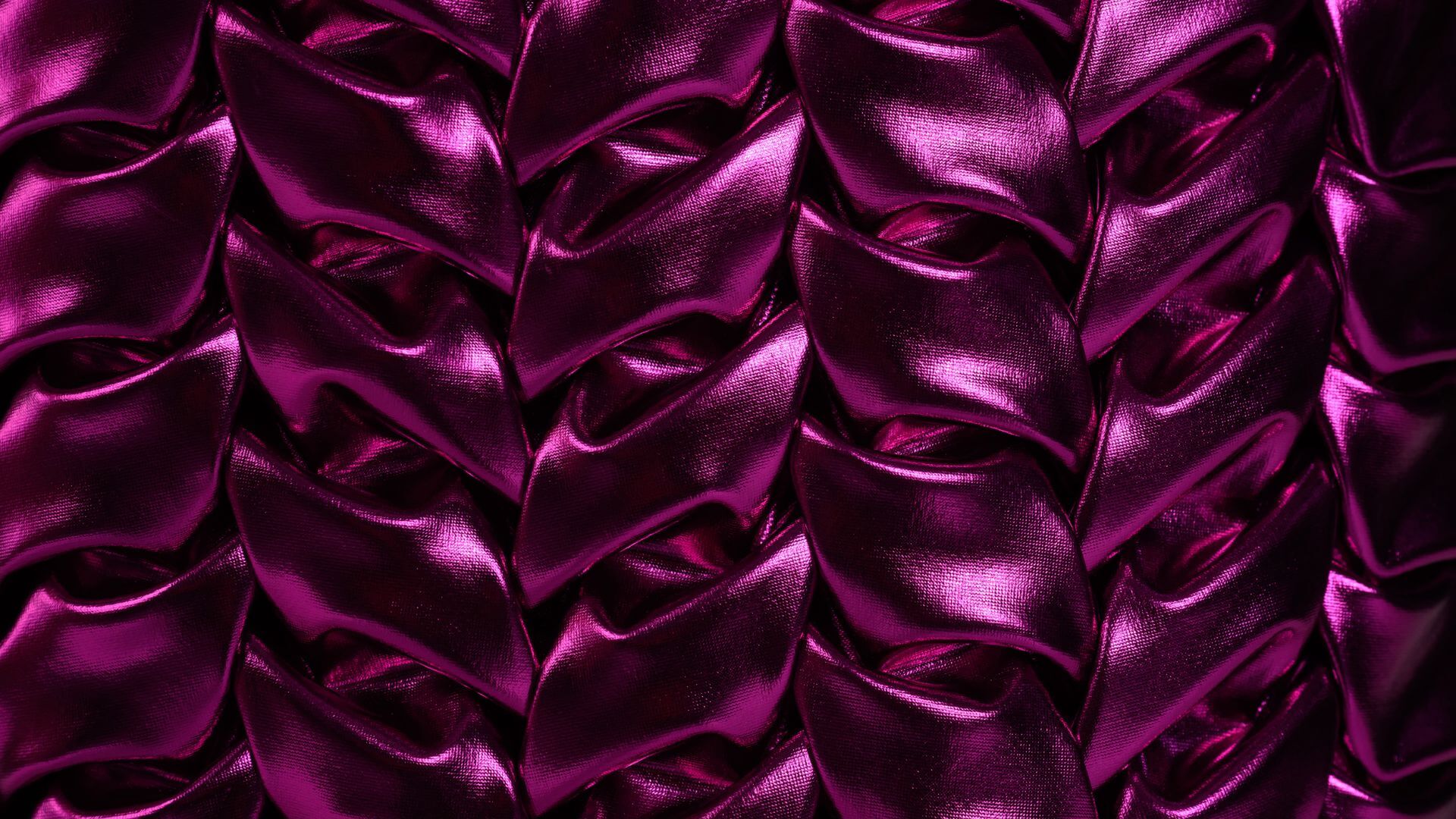
The breakthrough came when she discovered sublimation printing onto 3D-printed mesh. This method – which she discovered via a video from Variable Seams on Instagram - allowed her to 3D print PLA directly onto mesh fabric, then heat-press high-resolution images onto it.
Sourcing Sustainable Materials
Grace chose to work with recycled PLA filament from a company in New Zealand called KiwiFil.
“Since this piece is inspired by nature, it felt really important to me that the materials that I use be recycled and repurposed if at all possible.”
Breaking It Down
To preserve detail, she broke her dad’s photograph into 144 individual squares. Working on a small 11×11-inch printer bed meant producing the garment piece by piece - literally.
Every piece took an hour and a half to print. The process involved:
- 3D printing a mesh PLA square
- Cutting its matching sublimation print
- Heat-pressing the image
- Checking the colour, flexibility and durability
- Reprinting anything imperfect
- Assembling the image back together like a puzzle, using a 3D printing pen
Sculpting the Form
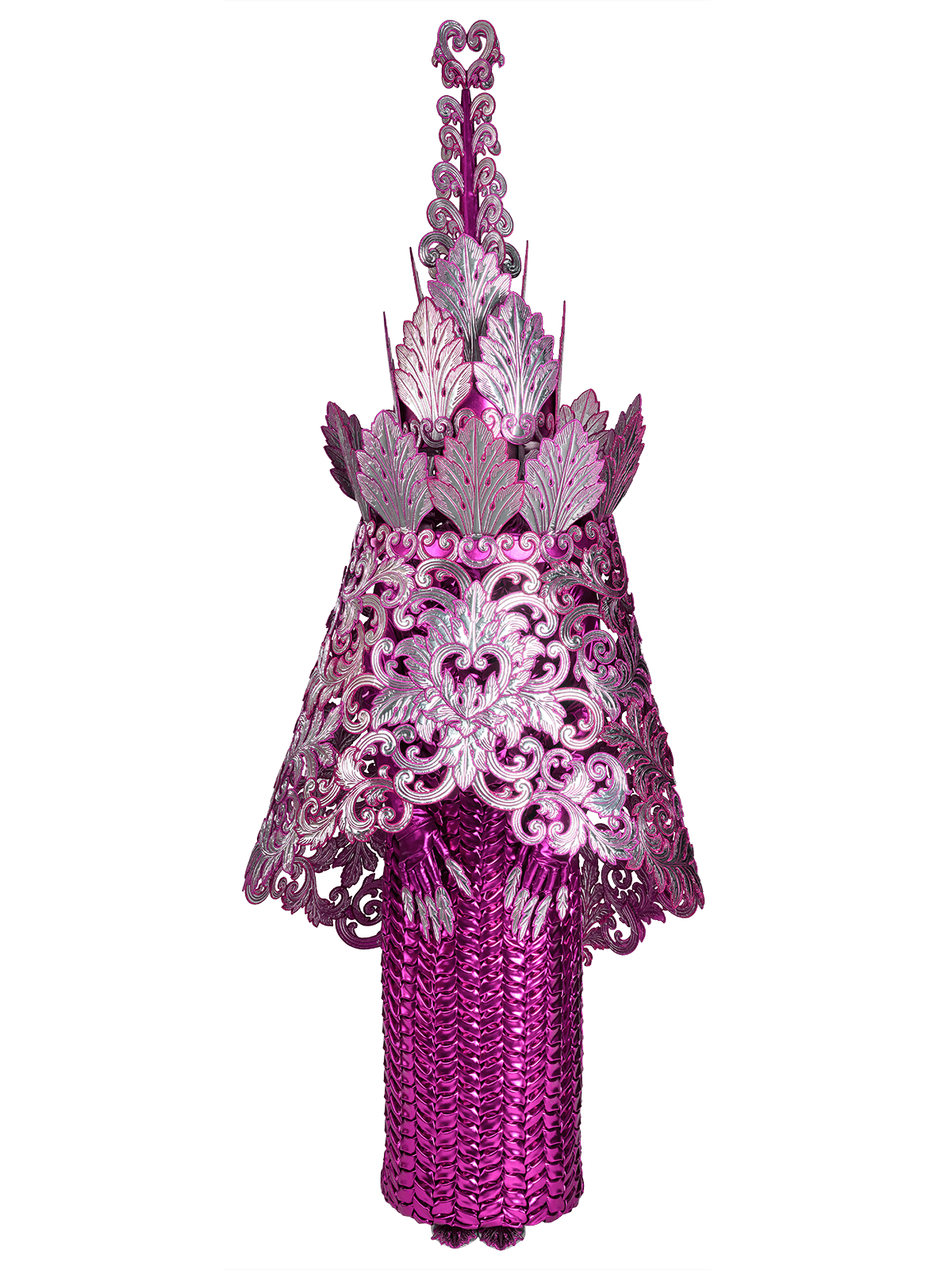
With the “fabric” defined, Grace shifted into garment construction. The silhouette had to be simple, so the photograph was the focus, but still bold and captivating. Grace’s process included:
- Mapping the image across the body so the ripple patterns flowed naturally
- Designing a sculptural upper form to anchor the gown
- Ensuring movement and breathability without compromising structure
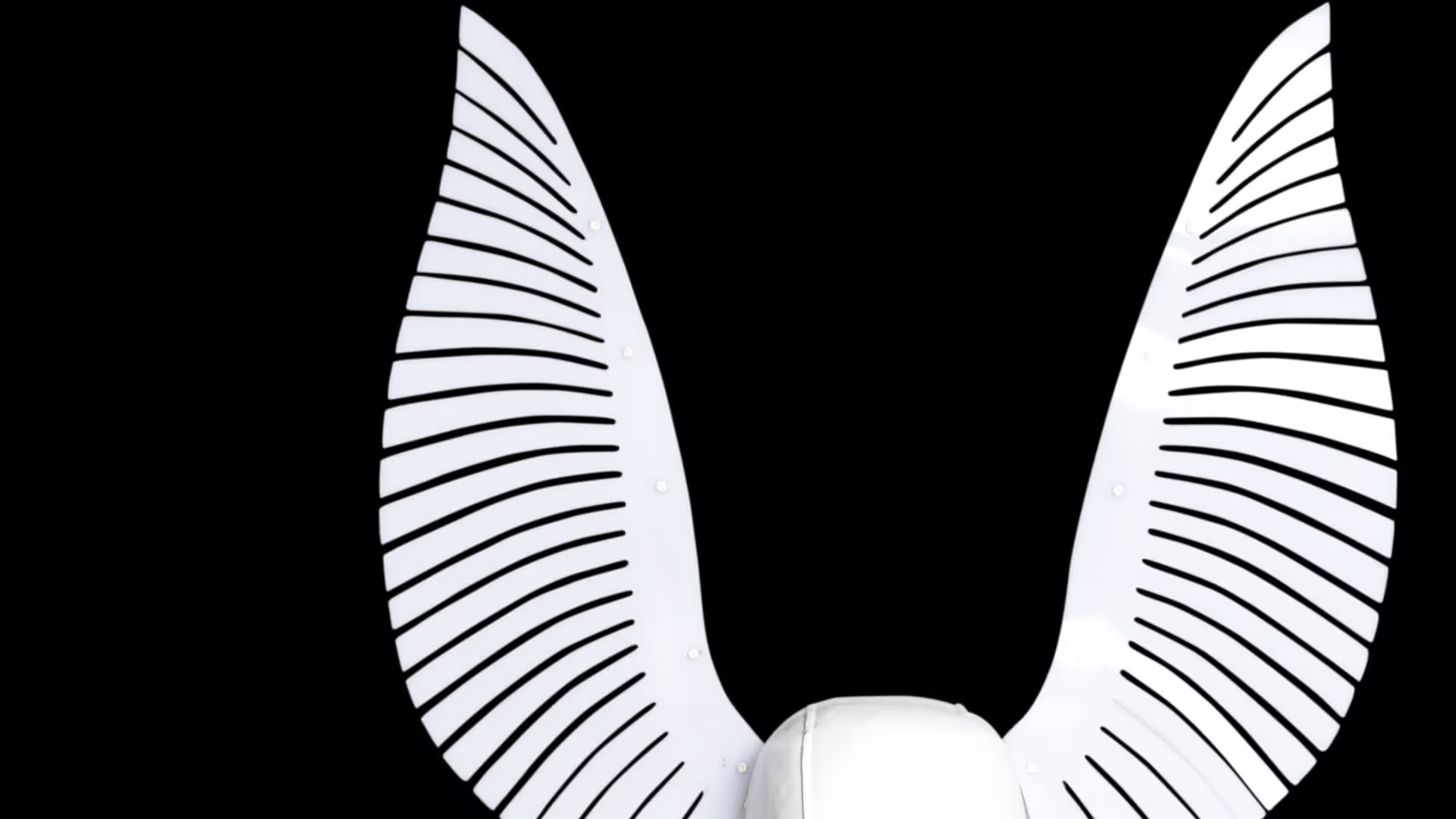
The headpiece was also important to Grace, who loves using hats to create presence and drama. She used traditional millinery materials and techniques (sinamay, wire, hand-shaping) to contrast with the high-tech body.

What It Taught Her
There were many, many learnings in the making of To Love What is Mortal, including:
- Start with the non-negotiable. Everything else grows from that core.
- Trust slow, iterative experimentation
- Push unfamiliar technologies until they open new possibilities
- Cut yourself some slack when you’re doing something you’ve never done before
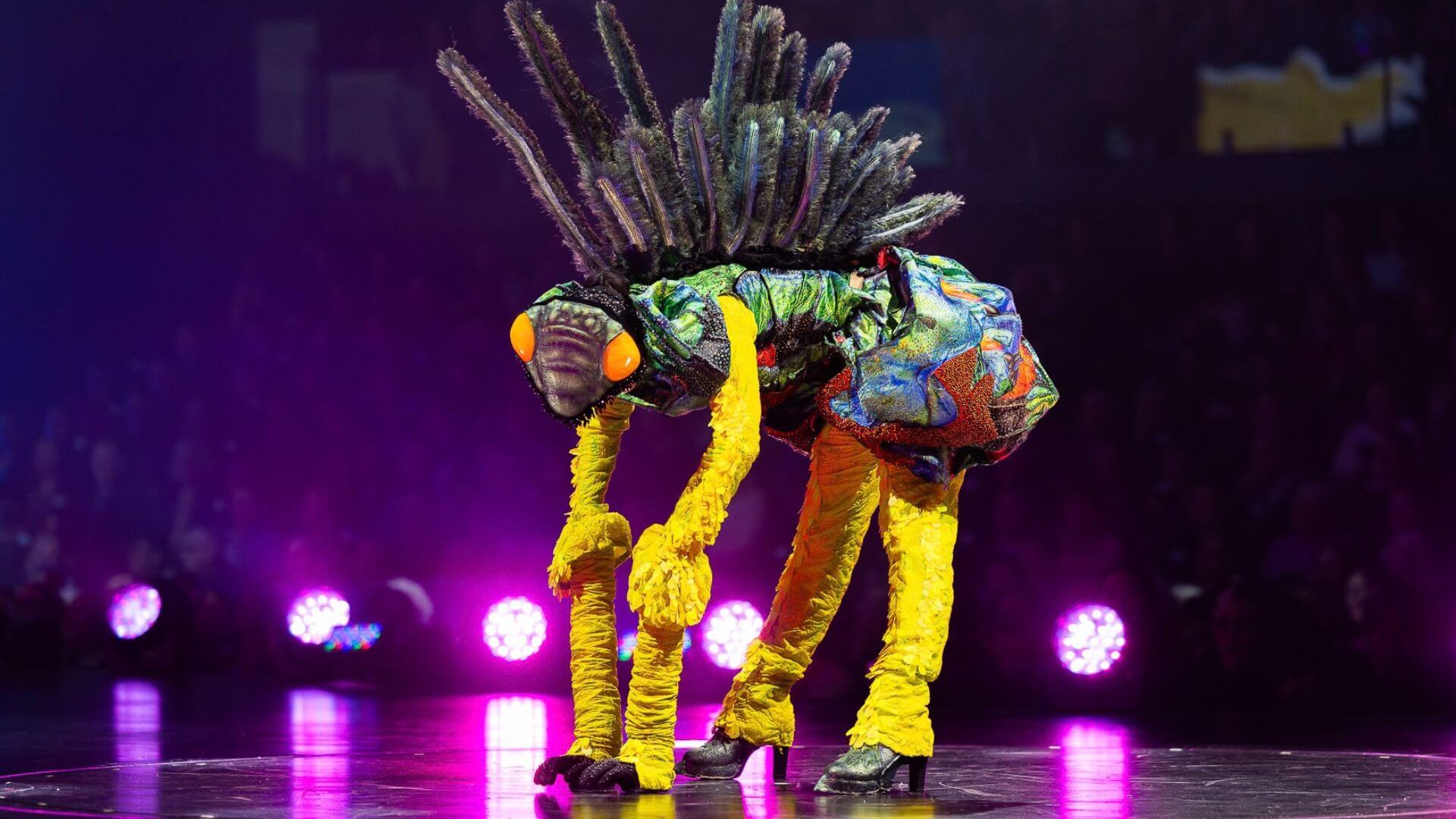
In the end, a beautiful collaboration between father and daughter: To Love What is Mortal; took the stage at the 2025 WOW Show: RISE.

Watch The Making
In this 1-minute video Grace shares a glimpse into how she made To Love What is Mortal:
Follow Grace’s Work
Website: https://www.graceduval.com/
YouTube: https://www.youtube.com/@GraceDuVal
Instagram: https://www.instagram.com/graceduval/
%20(1).jpg)
%20(1).jpg)
%20(1).jpg)
.avif)
_HR.avif)


.avif)


.avif)


.avif)




.avif)

.avif)




.avif)




_HR.avif)


.avif)






%2C-Christopher-Davis%2C-New-Zealand.avif)
%2C-Christopher-Davis%2C-New-Zealand.jpg)


-Pritam-Singh-_-Vishnu-Ramesh%2C-National-Institute-of-Design%2C-India.avif)
-Pritam-Singh-_-Vishnu-Ramesh%2C-National-Institute-of-Design%2C-India.avif)


.avif)
.avif)


%20(1).avif)
.avif)


.avif)


